
EXPEDITION CRUISE TRAVEL GUIDE
Find the Right Expedition Cruise That Actually Fits the Way You Want to Travel
Expedition cruising is not one-size-fits-all.
The ship you choose shapes everything — your comfort level, activity options, wildlife access, dining experience, pace, group size, and overall feel of the journey.
TRAVEL SHOULD TRANSFORM YOU, NOT STRESS YOU OUT
Choosing the right expedition ship changes the entire trip.
An expedition cruise is not just about where the ship goes. It is about how the journey feels once you are there.
Some ships are built for polished comfort, spacious suites, and highly personalized service. Others are designed for more active exploration, deeper naturalist programming, remote landings, photography, kayaking, helicopters, or wildlife-first itineraries.
Neither style is better. But one will usually be a better fit for the way you want to travel.
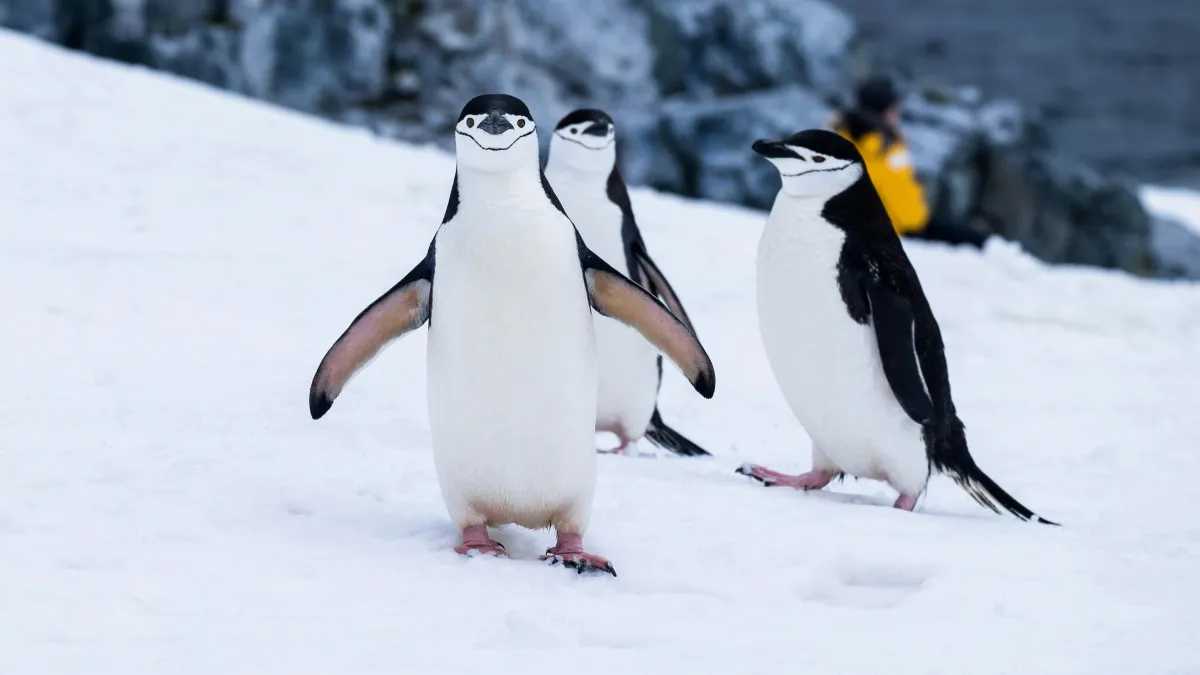
Antarctica
Compare curated ship options for the Antarctic Peninsula, South Georgia, fly-cruise expeditions, expedition-first routes, and deeper polar journeys.
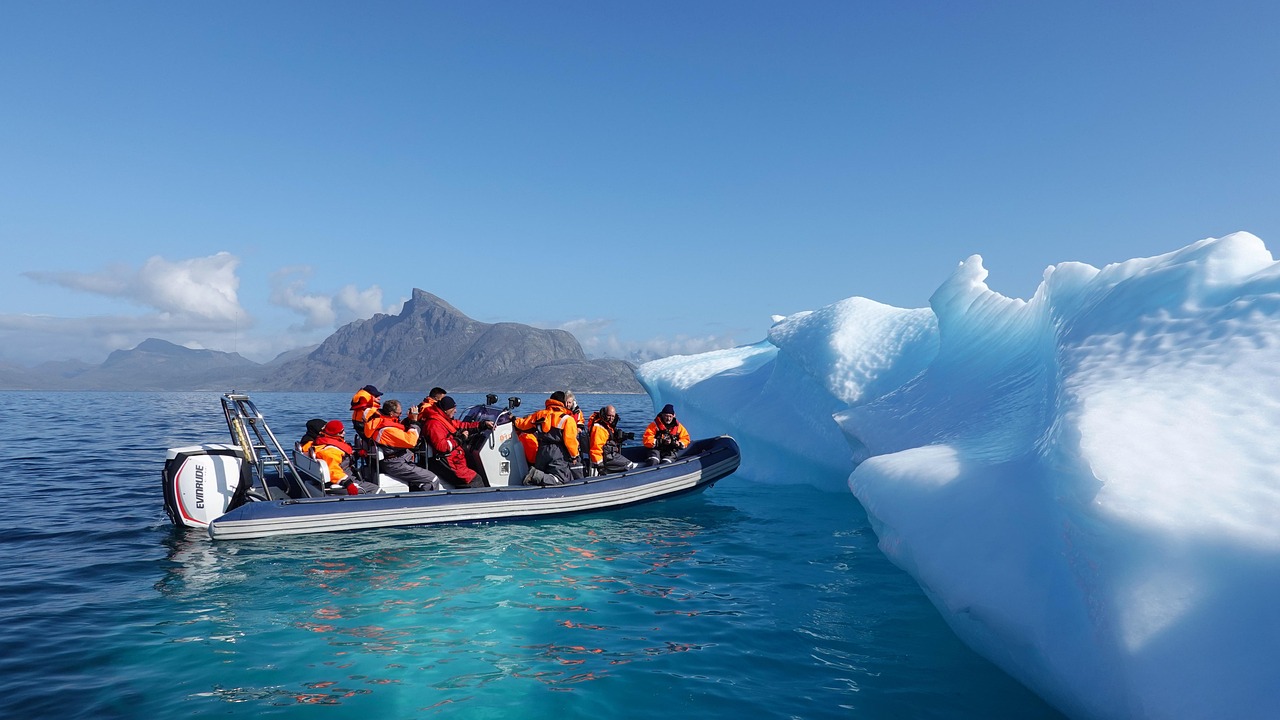
The Arctic
Understand the major differences between Svalbard, Greenland, the Northwest Passage, and North Pole journeys.
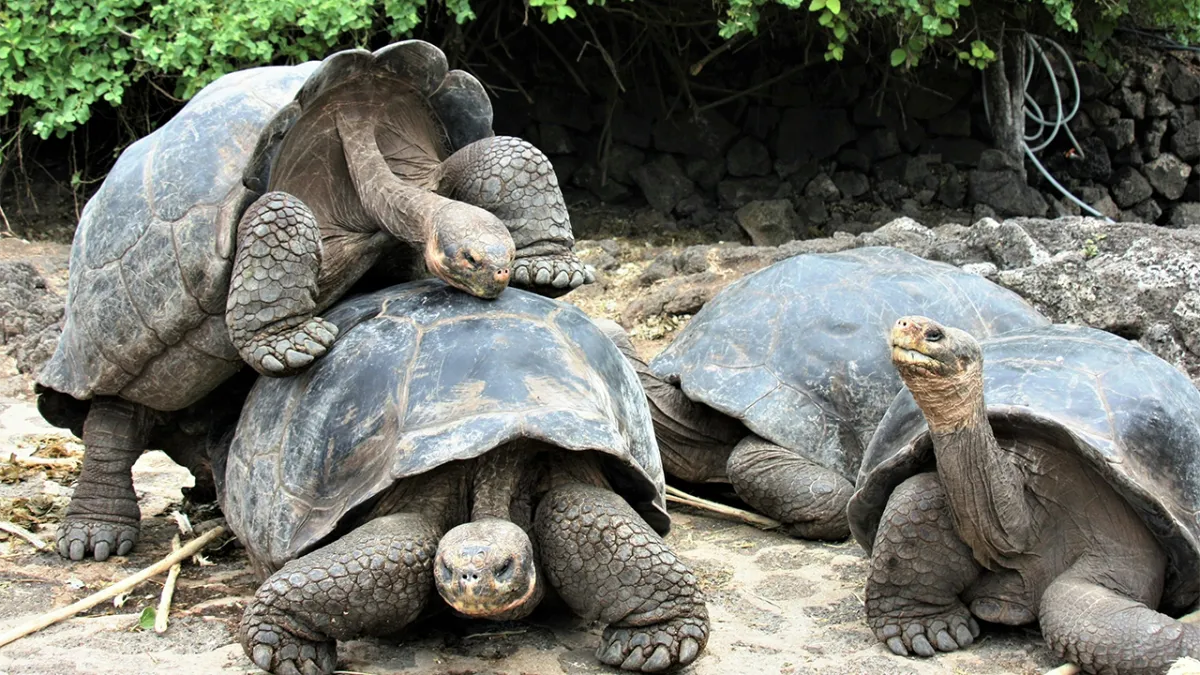
The Galapagos
Learn why ship size matters so much in the Galápagos — and how to compare small luxury yachts, family-friendly options, food-and-service-focused vessels, private charter potential, and high-end value.
Everything you need to start planning smarter.
This curated guide helps you understand the major differences between the world’s leading expedition ships so you can stop sorting through endless cruise brochures and start narrowing in on the options that actually fit you.
How to compare ultra-luxury vs. expedition-first ships
What ship size really means for Antarctica, the Arctic, and the Galápagos
The difference between traditional Drake Passage crossings and fly-cruise options
Which ships are best for wildlife, photography, comfort, families, active travelers, and first-time expedition cruisers
What luxury expedition travel typically costs
What is usually included — and what may cost extra
How to think through destination, travel style, activity level, and budget before choosing a ship
THE RIGHT SHIP MATTERS
Send me the free guide
By submitting, you agree to receive occasional travel inspiration from Adventure Community. Unsubscribe anytime. We respect your privacy.
“The right expedition ship doesn’t just take you farther. It changes how deeply you experience the place.”
ADVENTURE COMMUNITY